

mera

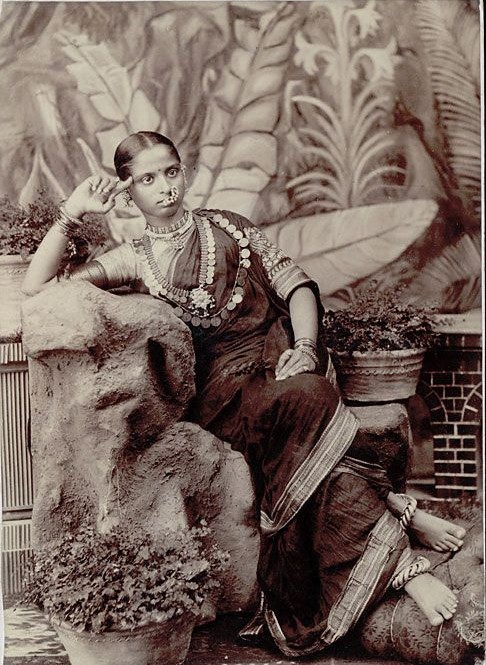
Fascinating story behind the origin of Indian Marathi Saree

Jan 19, 2026

The saree is one of the oldest traditional garments of India, with a history dating back over 5,000 years to the Indus Valley Civilization, where women wore unstitched cloth draped around the body. During the Vedic period, clothing evolved into graceful drapes like the antariya and uttariya, which later formed the foundation of the modern saree. Trade and cultural exchanges during the medieval and Mughal periods introduced luxurious fabrics, zari work, floral designs, giving rise to famous regional sarees such as Banarasi, Paithani, and Kanjeevaram. During British rule, the saree emerged as a symbol of Indian identity and self-reliance, especially through the promotion of handloom and khadi. 

  • Marathi Nauvari is a specific way of wearing a nine-yard long, Maharashtrian traditional saree, which looks like a dhoti and helps women move easily, especially during weddings and traditional events. This saree is worn by brides with special Marathi jewellery (such as nath, thusi, mundavala). 

  • Types of Nauvari Saree: There are various types of sarees (types of sarees) available like Kanchipuram or Ilkal, but the Nauvari is the way of wearing it.

Stylish Short Kurti for Everyday Elegance

Jan 19, 2026

This stylish Short Kurti is designed for modern women who love comfort and fashion together. With its elegant design and soft fabric, it is perfect for daily wear, office, or casual outings. Pair it with jeans, leggings, or palazzo for a trendy ethnic look.This stylish Short Kurti for women is the perfect blend of comfort and modern ethnic fashion. Designed with soft and breathable fabric, this trendy Short Kurti is ideal for daily wear, office, college, or casual outings. Pair this beautiful Short Kurti with jeans, leggings, or palazzo to create a smart and elegant look. Upgrade your wardrobe with this fashionable Short Kurti from MR Fashion Shop and enjoy a stylish ethnic look every day.


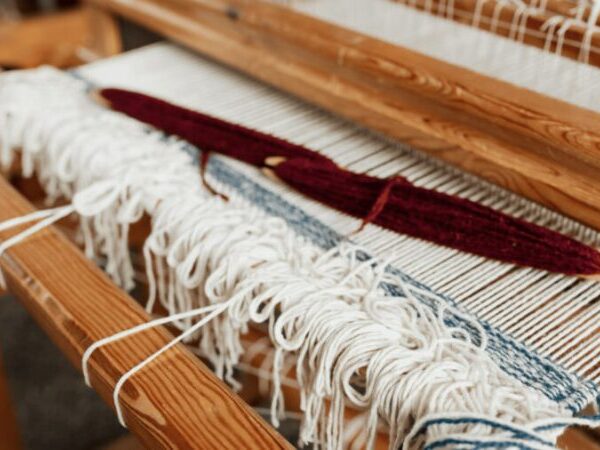
Cloth is made by first processing raw fibers into yarn through spinning. Which twists the fibers into a continuous strand. The yarn is then turned into fabric through processes like weaving (interlacing two sets of yarn at right angles) or knitting (interlooping yarn).

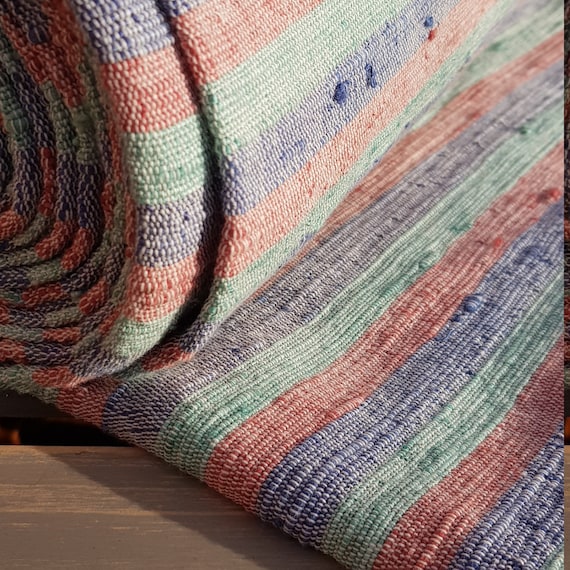
Are made by first creating a fabric from raw fibers, then cutting and sewing the fabric into a finished garment. The process starts with raw materials like cotton or wool, which are spun into yarn. This yarn is then woven or knitted into large rolls of fabric, which is dyed or printed with patterns, and finally cut and sewn according to design pattern to create the final clothing item .

Silk

The sericulture industry is an agriculture-based cottage industry that involves the cultivation of edible plants such as mulberry and the rearing of silkworms to obtain raw silk. Sericulture provides substantial employment opportunities and improves the rural economy.
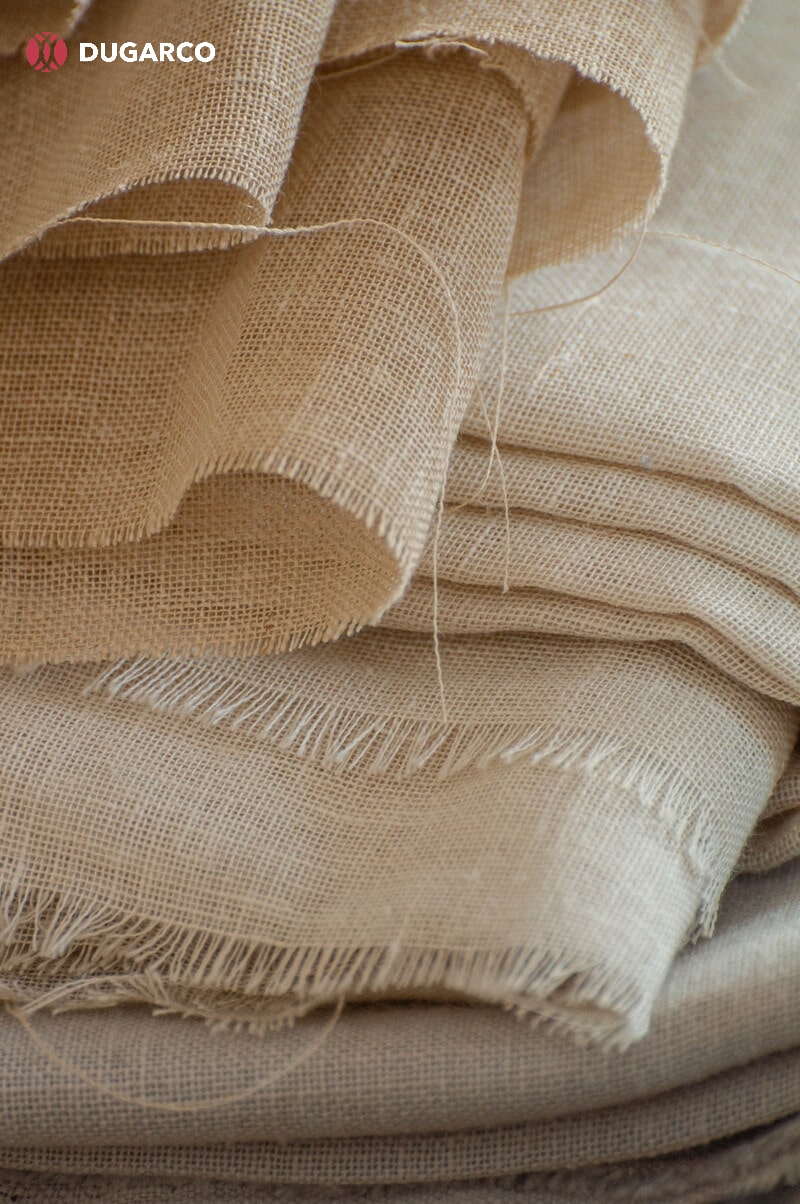
Line

Linen is a strong and durable fabric from the flax plant, which is naturally breathable and absorbent. It stronger and durable than cotton or Silk. Linen is an excellent choice for clothing, bed sheets, and home decor items, as it satays , as it stays cool and comfortable in the summer.
Wool

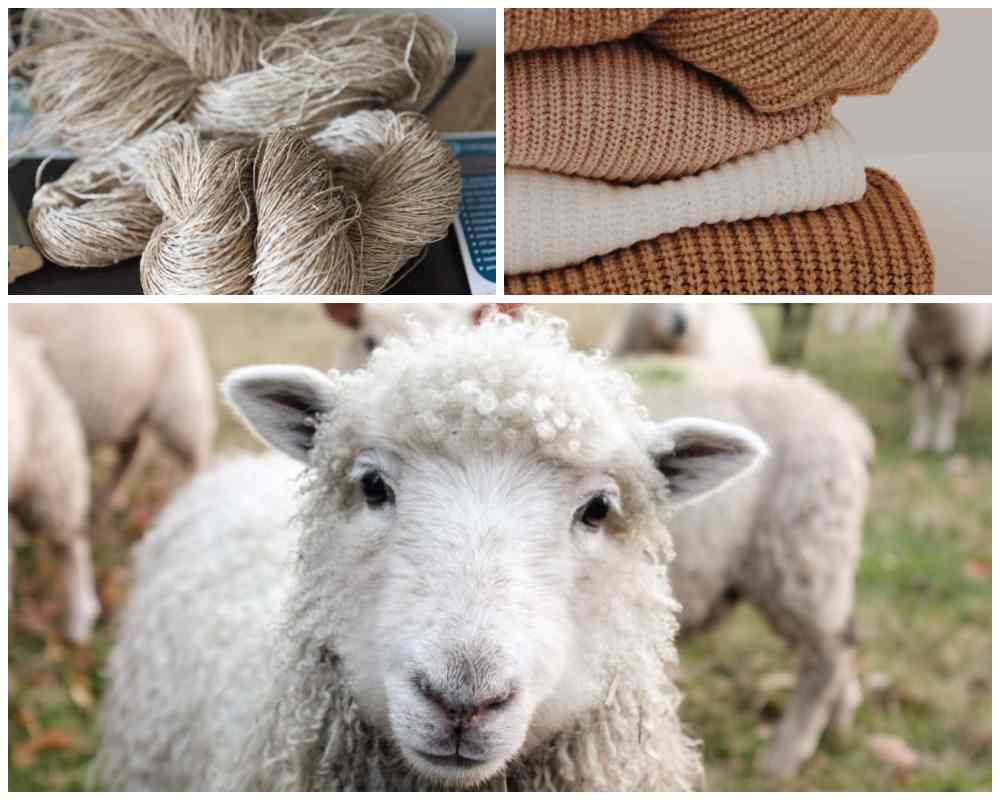
Wool is used for warmth on cold days because it naturally retains heat and keeps the body warm. Wool is a natural, breathable material, so it does not feel too hot or too cold. This material absorbs moisture from the body and movies it away from the skin, keeping the body warm and dry.
Cotton

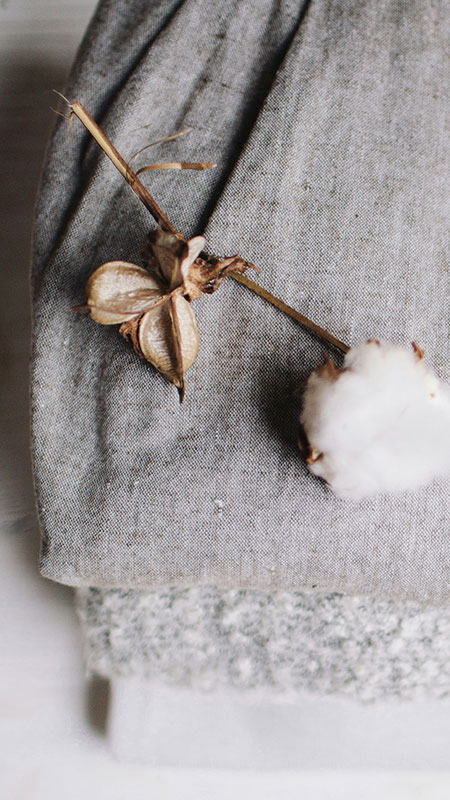
These fibers are collected from the flowering bolls surrounding the seeds of the cotton plant, spun into threads, and then woven into fabrics for a variety of uses , including shirts, towels, and bedding.